
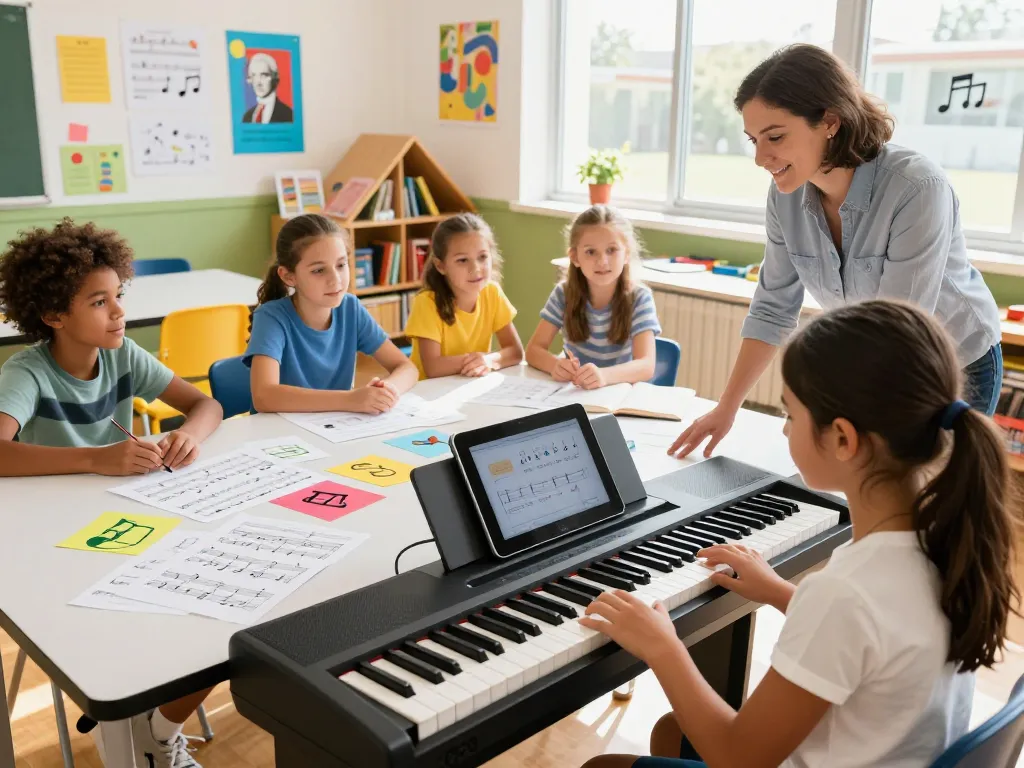
Understanding the GO 88 Digital Piano
The GO 88 digital piano is a remarkable instrument designed to meet the needs of aspiring musicians and educators alike. With its user-friendly features and high-quality sound, it stands out in the crowded market of digital pianos. This article will explore what makes the GO 88 unique, its key features and specifications, and how it compares to other digital pianos. For those interested in understanding more about this innovative instrument, go 88 offers comprehensive insights and resources.
What Makes GO 88 Unique?
The GO 88 is not just another digital piano; it's an educational tool designed for both beginners and advanced players. One of its standout features is its portability. Weighing only 5.8 kg, it's easy to move, making it ideal for both classroom settings and home practice. The GO 88 also integrates with various music apps, further enhancing its functionality and appeal.
Key Features and Specifications
- 88 Full-Size Keys: The GO 88 features a standard 88-key layout, allowing for a full range of playing options.
- Sound Quality: It utilizes high-quality sound samples from Roland's acclaimed digital pianos, ensuring authentic sound reproduction.
- Bluetooth Connectivity: Users can connect their devices to the piano for easy access to apps and additional learning resources.
- Integrated Learning Tools: The GO 88 includes built-in songs and lessons, fostering a more engaging learning experience.
Comparing GO 88 with Other Digital Pianos
When comparing the GO 88 to other digital pianos in its class, several factors come into play. While traditional digital pianos like the Roland FP-30 and Yamaha P-125 offer weighted keys, the GO 88 focuses on a more lightweight and portable design that caters to learners and educators. In terms of technology integration, the GO 88 surpasses many competitors with its Bluetooth capabilities, allowing for seamless connections to smartphones and tablets.
Benefits of Using GO 88 for Music Education
Integrating the GO 88 into music education can transform the learning experience for students of all ages. By leveraging technology, educators can create a more interactive classroom environment and engage students in new ways.
Enhancing Learning with Technology
Technology plays a crucial role in modern education, and the GO 88 capitalizes on this trend. With its Bluetooth capability, students can connect their devices to the piano, accessing a plethora of educational resources, interactive lessons, and practice apps. This integration of technology not only keeps students engaged but also offers a more personalized learning experience.
Incorporating GO 88 in Classroom Settings
The lightweight design of the GO 88 makes it practical for classroom settings. Teachers can easily transport it between rooms or even to outdoor classes. Its built-in metronome and rhythm patterns allow for diversified teaching methods, catering to different learning styles. Additionally, the piano’s user-friendly interface means that students can quickly learn to navigate the instrument without extensive prior knowledge.
Real-Life Success Stories with GO 88
Many educators have reported success stories after incorporating the GO 88 into their curricula. For instance, a music teacher in California noted that students showed a drastic increase in enthusiasm and practice time after introducing the GO 88 in her classroom. The interactive features, combined with the instrument's appealing design, encouraged students to explore their musical abilities beyond what traditional pianos could provide.
Best Practices for Teaching with GO 88
To maximize the potential of the GO 88 in educational settings, teachers can adopt several best practices to create an effective learning environment.
Creating Engaging Lesson Plans
Effective lesson planning is crucial in using the GO 88 to its fullest potential. Teachers should focus on incorporating varied activities such as group sessions, individual practice, and technology-based lessons. For instance, implementing a week-long project where students compose and perform their pieces using the GO 88 can foster creativity and enhance collaborative skills.
Utilizing Interactive Software and Apps
Several apps are designed to work seamlessly with the GO 88, making it easier for students to learn and practice. Platforms like Simply Piano or Yousician offer interactive lessons that teach students through play, providing instant feedback and motivating them to improve. Encouraging students to explore these resources can significantly augment their practice routines.
Tips for Encouraging Student Participation
Encouragement is key to fostering a positive learning environment. Teachers can implement gamification strategies by incorporating challenges and rewards for progress in learning. For example, setting up a monthly recital where students showcase what they've learned on the GO 88 can boost confidence and promote a sense of community within the classroom.
Future Trends in Music Education with GO 88
As technology continues to evolve, so does the landscape of music education. The GO 88 is at the forefront of this transformation, seamlessly blending traditional music education with modern teaching methodologies.
Emerging Technologies in Music Learning
The future of music education will likely see an increased reliance on technology, including AI-driven learning tools and virtual reality experiences that enhance music learning. The GO 88 can leverage these technologies by adapting updates that incorporate these new methods, keeping students engaged and excited about learning music.
Predictions for Music Education in 2026
As we look towards 2026, the integration of interactive technology within music education will become the norm. Digital platforms that promote collaborative learning will likely gain more traction, making instruments such as the GO 88 essential tools in classrooms across the globe. Moreover, the rise of hybrid learning models may lead to an increased focus on resources that allow for remote teaching and learning.
How GO 88 Fits into Evolving Curriculum
With the anticipated changes in music education, the GO 88 will play an integral role in adapting curricula to include more technology-driven learning. By leveraging its capabilities, educators can create a curriculum that is responsive to the needs of the modern student, integrating composition, performance, and technology effectively into their lesson plans.
Frequently Asked Questions
What age group is the GO 88 suitable for?
The GO 88 is designed for learners of all ages, making it a versatile choice for both children and adults. Its user-friendly features and educational tools cater to beginners and intermediate players alike.
How does the GO 88 compare to traditional pianos?
While traditional pianos provide an authentic playing experience, the GO 88 offers additional features such as portability, connectivity, and digital learning tools that enhance the educational experience.
Can I connect the GO 88 to apps for better learning?
Yes, the GO 88 features Bluetooth connectivity, allowing it to connect seamlessly to various music education apps, enhancing the overall learning experience.
What maintenance does the GO 88 require?
Maintaining the GO 88 is simple. Regular cleaning and careful handling are usually sufficient to keep it in optimal condition. It's also advisable to keep it in a stable environment away from extreme temperatures and humidity.
Where can I find resources to learn more about GO 88?
Numerous online resources, including tutorials and lesson plans, are available for the GO 88. Websites dedicated to music education offer comprehensive guides on how to maximize the use of this digital piano in various settings.