
 By admin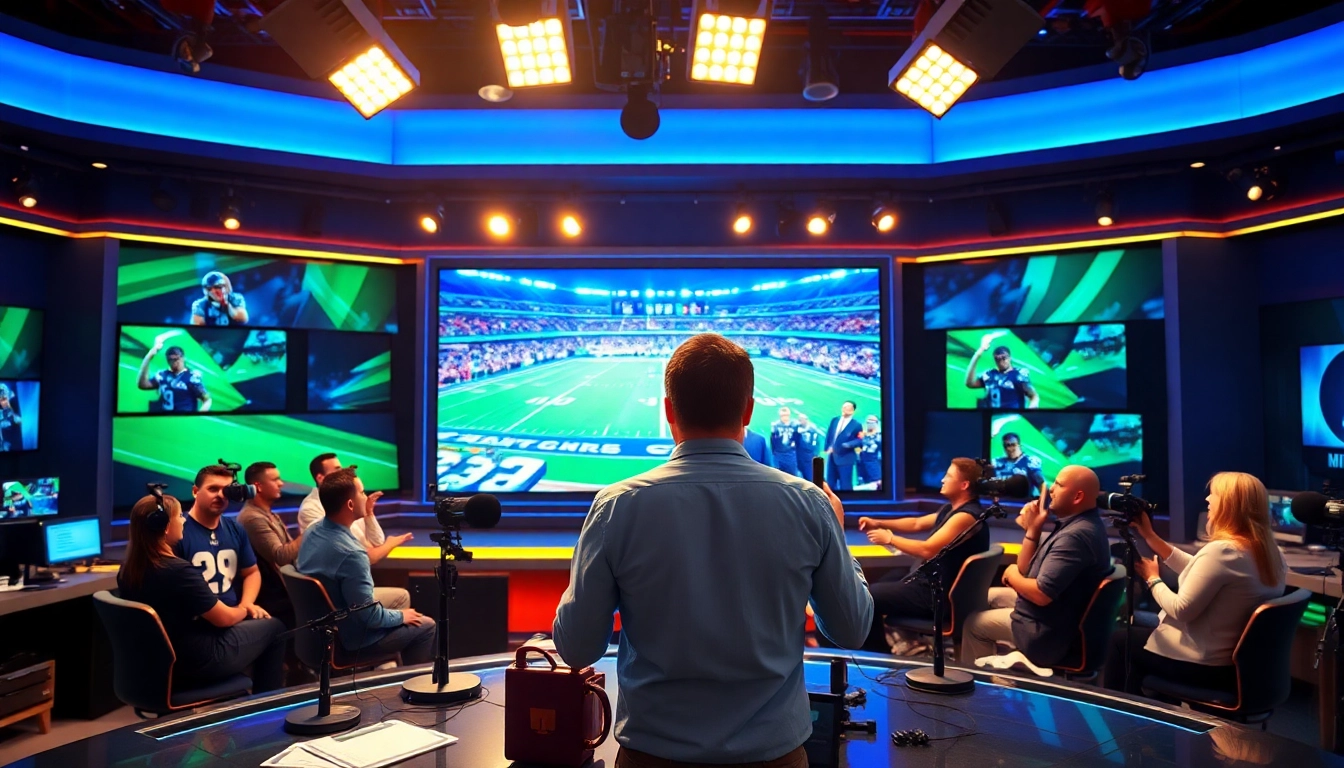
Understanding Sports Broadcasting
What is Sports Broadcasting?
Sports Broadcasting refers to the dissemination of sports events through audio, video, or internet platforms, allowing audiences to experience live or recorded matches from the comfort of their homes or on the go. With its roots tracing back to radio broadcasts in the early 20th century, Sports Broadcasting has evolved into a complex enterprise that intertwines technology, journalism, and entertainment. The innovative methods of delivering content, including traditional television, streaming services, and social media platforms, have transformed how fans interact with their favorite sports. Find out more about the evolution of this industry at Sports Broadcasting.
Historical Overview of Sports Broadcasting
Sports Broadcasting began in the 1920s with live radio broadcasts of baseball games, captivating audiences with instant updates. The first televised sports event occurred in 1936 when the Berlin Olympics were shown on screens for the first time, marking a pivotal moment in media history. The expansion of cable television in the 1980s and 1990s pushed the boundaries further, introducing channels dedicated to sports. The digital revolution, particularly the advent of the internet and mobile technology, has accelerated this evolution dramatically, introducing innovative practices such as targeted advertising, interactive content, and multi-angle viewing options.
The Role of Technology in Sports Broadcasting
Technology plays an essential role within Sports Broadcasting. Advanced cameras, drones, and high-definition graphics enhance viewer experience, while data analytics help broadcasters provide real-time statistics and insights. Innovations like augmented and virtual reality are emerging, offering an immersive viewing experience that allows fans to feel as though they are part of the action. Furthermore, technologies such as 5G are paving the way for faster transmission rates, allowing greater accessibility and quality of content streamed online.
Key Elements of Sports Broadcasting
Live Reporting Techniques
Live sports reporting demands real-time accuracy and dynamic storytelling. Broadcasters utilize various techniques, including sideline reporting, in-depth analyses during intermissions, and integrating social media for live reactions. Commentators are trained to provide a balance of expert insight and engaging narrative, which helps maintain audience interest. Reporters often work on tight deadlines, requiring a profound understanding of the game, its players, and their histories to ensure informed commentary.
Importance of Analytics in Sports Broadcasting
Analytics are becoming increasingly vital in Sports Broadcasting, offering deeper insights into player performances and game strategies. Viewers now expect more than just commentary—they crave data that informs their understanding of the game. Analytics can enhance viewer engagement by integrating data visualizations into broadcasts. These graphs and charts provide context that can magnify moments of brilliance or glaring mistakes in games. Broadcasting teams often collaborate with data scientists to develop compelling narratives backed by robust statistical evidence.
Creating Engaging Viewer Experiences
Creating an engaging viewer experience requires a nuanced approach that combines quality content, expert analysis, and audience interaction. Broadcasters are now focusing on personalization—allowing fans to choose camera angles, preferred commentators, and even game statistics. The integration of second-screen experiences, where viewers can engage with complementary content via mobile apps, has also gained traction. This dual engagement approach keeps audiences connected and invested in the events as they unfold.
Challenges in Sports Broadcasting
Industry Competition and Audience Expectations
The landscape of Sports Broadcasting is incredibly competitive, with numerous networks and streaming services vying for viewer attention. Audiences have grown accustomed to high production values and interactive content, raising the bar for what constitutes an engaging broadcast. Brands must constantly innovate and refine their offerings to avoid losing their audience to competitors who provide more engaging alternatives. Real-time responsiveness to trends and viewer feedback is crucial for staying relevant.
Technological Challenges and Adaptations
As technology evolves, so do the challenges within Sports Broadcasting. High-quality livestreaming requires sophisticated infrastructure to avoid lags or interruptions that could tarnish viewer experiences. Additionally, adapting to new technologies, such as mobile-first approaches and AI-driven analytics, requires investment and skill development. Broadcasters must provide ongoing training for teams to keep abreast of the latest tools and techniques. Furthermore, as audience expectations change, adapting programming quickly becomes essential.
Legal Considerations in Sports Broadcasting
Legal considerations form a significant part of Sports Broadcasting, primarily concerning broadcasting rights, copyright issues, and regulatory standards. Networks must secure licenses to air content from leagues or governing bodies, which can be prohibitively expensive. Furthermore, with the rise of digital platforms, navigating international broadcasting rights and regulations adds another layer of complexity. Compliance with data protection and privacy regulations is vital, particularly in handling viewer data associated with tailored content delivery.
Innovative Trends in Sports Broadcasting
Emerging Technologies Shaping Broadcasting
Emerging technologies continue to reshape Sports Broadcasting. Artificial intelligence is being utilized for content creation, analyzing vast amounts of data to create highlights or tailor viewer experiences. Blockchain technology is also being integrated for security, ensuring that broadcast rights are transparent and legally compliant. Additionally, the incorporation of virtual reality is transforming fans’ experiences, allowing immersive interaction with live events, such as viewing replays from any vantage point.
Integrating Social Media into Sports Broadcasting
The integration of social media has revolutionized Sports Broadcasting, fostering direct communication between fans and broadcasters. Platforms like Twitter and Instagram provide real-time updates and behind-the-scenes content that enrich the viewing experience. The collaborative nature of social media enables audience participation through polls, contests, and live interactions during events. Broadcasters are increasingly utilizing user-generated content to enhance storytelling and drive engagement.
Future Predictions for Sports Broadcasting
As technology advances and audience preferences evolve, the future of Sports Broadcasting will likely pivot toward greater personalization and interactivity. AI and machine learning will enable hyper-targeted content, allowing viewers to curate their own broadcasting experience. Additionally, advancements in 5G technology will provide seamless, high-definition streaming, further enriching viewer engagement. With digital transformations continuously unfolding, the ability to adapt quickly to new trends will determine the success of future broadcasters.
Best Practices for Aspiring Sports Broadcasters
Educational Pathways in Sports Broadcasting
For aspiring sports broadcasters, education plays a crucial role in developing the necessary skills. Many universities offer specialized programs in sports journalism or broadcasting. These programs often integrate practical experiences, including internships and hands-on training, that provide invaluable real-world exposure. Additionally, online courses and workshops can help foster specific skills, such as editing or public speaking, which are essential in this competitive field.
Building a Personal Brand in Sports Media
A personal brand is a key asset for any sports broadcaster. Building a recognizable identity involves showcasing individual expertise and cultivating a unique voice. Social media platforms provide an excellent avenue for sharing insights, opinions, and highlights. Consistent engagement with followers helps establish credibility and loyalty, essential traits for anyone in the sports media space. Whether using Twitter for quick updates or YouTube for longer commentary, every interaction contributes to a broadcaster’s brand image.
Networking Tips for Sports Broadcasting Professionals
Networking is vital in the sports broadcasting industry. Attend industry conferences, workshops, and networking events to connect with professionals and peers. Building relationships with mentors can also provide guidance and opportunities for advancement. Leveraging platforms like LinkedIn can help broaden your network by connecting with industry leaders. Additionally, actively participating in discussions surrounding relevant topics can position you as a thought leader within the sports broadcasting community.
Frequently Asked Questions (FAQs)
What requirements do I need to enter sports broadcasting?
Typically, a degree in journalism, communications, or a related field is beneficial. Experience through internships or volunteer opportunities is also crucial.
How do I improve my on-air presentation skills?
Practice is key. Recording yourself, practicing in front of peers, and soliciting constructive feedback can significantly enhance on-air delivery.
Is it necessary to specialize in a particular sport?
While specialization can enhance credibility, broad knowledge of multiple sports can also be advantageous, providing versatility in broadcasting roles.
How has technology changed sports broadcasting?
Technology has enhanced engagement with tools like virtual reality, instant replays, and analytics that provide real-time data insights, enriching the overall viewing experience.
What job opportunities are available in sports broadcasting?
There are many roles available, including sports commentator, producer, reporter, and analyst. Positions exist across television, radio, and digital media platforms.